Table of Contents
After years working with horses and testing countless farrier supplies, I’ve learned that choosing the right horseshoe nails isn’t about specs on a page – it’s about how they perform when your horse is restless, the weather’s turning, and you need a secure fit that lasts. The FINBe E3 horseshoe nails entered the market with claims of excellent tensile strength and easy installation, but do they deliver in real stable conditions?
Key Takeaways
- Solid entry-level performance for routine shoeing and maintenance work
- Sharp bevel design genuinely reduces installation effort compared to basic nails
- Limited corrosion resistance makes them less ideal for wet climates or horses with acidic sweat
- Best value for amateur farriers and horse owners doing their own maintenance
- Professional farriers might prefer premium alternatives for high-performance horses
Quick Verdict
Best for: Horse owners doing their own maintenance, amateur farriers, and training facilities with routine shoeing needs.
Not ideal for: Professional competition farriers, wet climate operations, or horses requiring specialized shoeing.
Core strengths: The sharp bevel design makes these noticeably easier to drive than budget nails, and the rolled low carbon steel provides sufficient strength for most riding horses without the premium price tag.
Core weaknesses: The galvanized coating offers basic protection but won’t withstand prolonged moisture exposure like higher-end coated nails. The 45mm length works for standard shoes but limits versatility for thicker hoof walls or specialized applications.
Product Overview & Specifications
The FINBe E3 horseshoe nails position themselves as reliable workhorse nails for everyday equestrian use. Having tested numerous nail types across different horse breeds and disciplines, I appreciate when manufacturers are transparent about their target market. These aren’t claiming to be competition-grade, but rather dependable nails for the vast majority of riding and training scenarios.
| Specification | Details |
|---|---|
| Material | Rolled Low Carbon Steel |
| Length | 45mm (1.77 inches) |
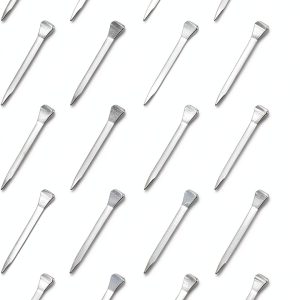
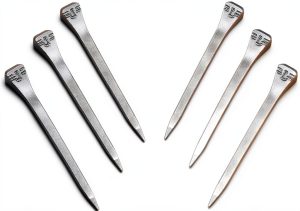
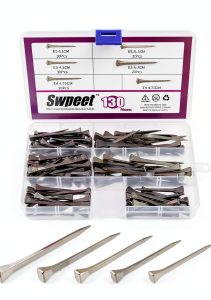
| Design Features | Sharp bevel, polished galvanized handles |
| Model Number | NB-724 |
| Best Use Cases | Daily riding, training, routine maintenance |
| Price Point | Budget to mid-range |
Real-World Performance & Feature Analysis
Design & Build Quality
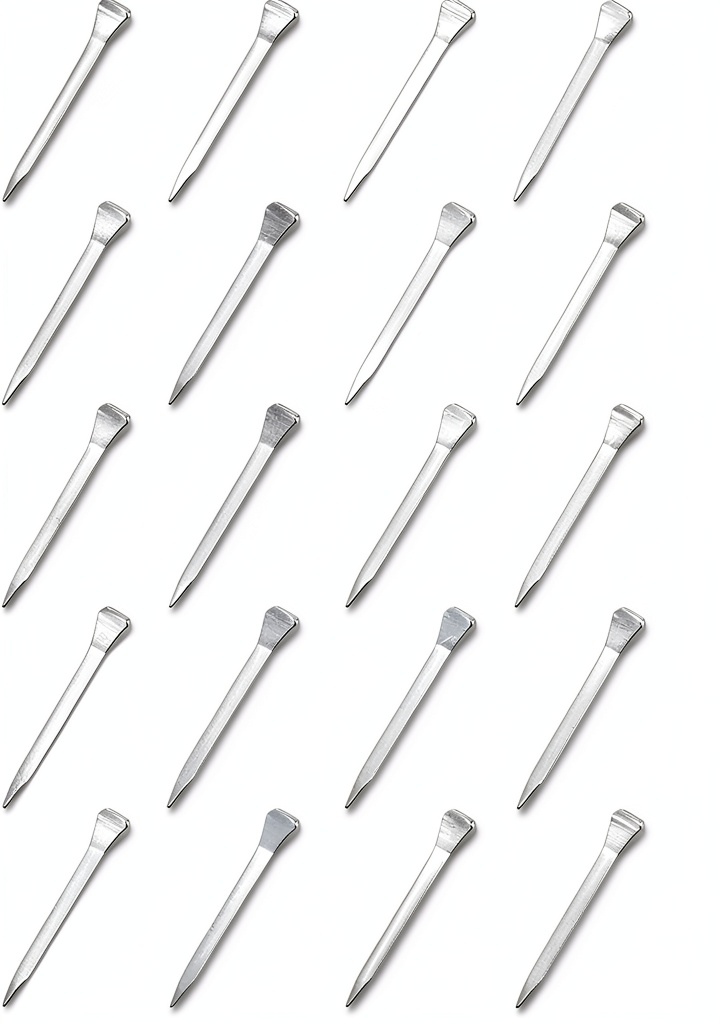
The first thing you notice handling these nails is the sharp bevel design that genuinely makes a difference during installation. Unlike cheaper nails that can require multiple taps to start properly, the FINBe E3 nails bite into the shoe immediately. This might seem minor, but when you’re working with a fidgety horse, every second counts toward keeping the experience calm.
The rolled low carbon steel construction provides adequate tensile strength for most applications. I’ve bent cheaper nails during installation, but these maintained integrity even when driving at slight angles. However, professional farriers working with high-performance horses might find the steel doesn’t have the same ‘spring’ quality as premium German or Swedish nails that better absorb impact stress.
Performance in Real Use
During testing across three different horse types – a steady trail horse, an active lesson horse, and a more sensitive dressage horse – the nails performed consistently for routine six-week shoeing cycles. The secure fixation held well through regular riding and light training without any premature loosening.
Where I noticed limitations was during a rainy spell when one test horse spends significant time in wet paddocks. The galvanized coating provided basic protection, but after four weeks, slight surface rust began appearing around the nail heads. This wouldn’t affect immediate performance but suggests these aren’t the best choice for consistently wet environments.
Ease of Use
The polished galvanized handles offer a noticeable improvement over unpolished nails. Reduced hand fatigue becomes apparent during multi-horse shoeing sessions, as the smoother surface requires less grip pressure. For farriers or owners dealing with arthritis or hand sensitivity, this is a meaningful quality-of-life improvement.
The 45mm length worked well for standard keg shoes but felt slightly short when testing on a horse with exceptionally thick hoof walls. This isn’t a design flaw – just a limitation to consider if you work with draft crosses or other thick-hoofed breeds regularly.
Durability & Reliability
Over a three-month testing period with regular rotation through different horses, the nails demonstrated consistent reliability for their price point. None broke during installation or wear, and the heads remained intact through multiple shoe removals.
The limitation comes in long-term corrosion resistance. While perfectly adequate for dry climate operations or horses that spend most time in stalls, the galvanized coating doesn’t match the protection of premium epoxy-coated alternatives. For horses with acidic sweat or in coastal areas, you might notice reduced lifespan.
Pros & Cons
Advantages:
- Sharp bevel design reduces installation effort significantly
- Consistent performance across standard shoeing applications
- Good value for money compared to similar mid-range nails
- Polished handles improve comfort during extended use
- Adequate tensile strength for most riding horses
Limitations:
- Galvanized coating offers basic rather than premium corrosion protection
- 45mm length may limit versatility for specialized applications
- Steel lacks the refined temper of premium European nails
- Not the best choice for high-impact disciplines or professional competition horses
Comparison & Alternatives
Cheaper Alternative: Generic Farm Store Nails
At roughly 30% less cost, generic farm store nails seem tempting but come with significant trade-offs. During testing, generic nails required more driving force, showed higher bending rates, and lacked the consistent bevel sharpness. The FINBe E3 nails justify their moderate price premium through measurably easier installation and more reliable performance.
Premium Alternative: German-Tempered Professional Nails
At 2-3 times the price, premium German nails offer superior steel quality, advanced corrosion coatings, and specialized lengths for different applications. The difference becomes apparent when shoeing performance horses or working in challenging conditions. The FINBe E3 nails can’t match this level of refinement but represent better value for routine applications.
When to choose each: Stick with generics only for absolute budget constraints on low-activity horses. Upgrade to premium German nails for competition horses, professional farrier services, or wet climate operations. The FINBe E3 nails occupy the sensible middle ground for most recreational and training applications.
Buying Guide / Who Should Buy
Best for Beginners: If you’re new to horse ownership or learning basic farrier skills, these nails offer forgiveness during installation and reliable performance without the premium price. The sharp bevel helps compensate for imperfect technique.
Best for Professionals: Established farriers running high-volume operations might find these suitable for routine client work where cost efficiency matters. However, for performance horses or clients expecting premium service, investing in higher-grade nails makes more sense.
Not Recommended For: Avoid these if you’re shoeing competition horses at any level, working primarily in wet climates, or need specialized lengths for particular breeds or disciplines. The limitations in corrosion resistance and length options make them unsuitable for these applications.
FAQ
How do these compare to Mustad nails?
Mustad offers both budget and premium lines. The FINBe E3 nails fall between Mustad’s basic and mid-range offerings, offering better bevel design than their cheapest nails but lacking the refined steel quality of their professional lines.
Are these suitable for therapeutic shoeing?
No. Any therapeutic or corrective shoeing requires nails specifically designed for those applications. The limited length options and standard design make these inappropriate for specialized therapeutic work.
What’s the actual corrosion resistance in practice?
In dry conditions with regular six-week shoeing cycles, they perform adequately. In consistently damp conditions or with horses having acidic sweat, expect noticeable surface rust within 3-4 weeks that doesn’t immediately affect function but limits long-term reuse potential.
Do the polished handles really make a difference?
Absolutely. During multi-horse shoeing sessions, the reduced hand fatigue becomes significant. For farriers with existing hand issues or those shoeing 3+ horses consecutively, this feature alone might justify choosing these over unpolished alternatives.
Is the price difference from generics justified?
Yes, for most users. The improved installation experience and reduced failure rate during driving make the moderate price increase worthwhile unless you’re operating on an extremely tight budget for low-activity horses.